Photo to
Classical Painting
Photo to classical painting repaints a picture as an old-master portrait: smooth, finely blended skin, soft light from one side and deep olive and brown backgrounds. Upload a calm portrait, a couple or a pet as a JPG, PNG or WebP. Your face, clothes and pose stay modern; the lighting, color and surface turn centuries older. Sample photos show the effect without an account, and portraits of your own run on credits once you sign in.
From 8 creditsJPG, PNG or WebP up to 10 MB
- COST
- From 8 credits
- TIME
- Usually under a minute
- UPLOAD
- JPG, PNG, WebP · 10 MB
- OUTPUT
- PNG up to 4096 px
Styles
57 stylesAnime & Cartoon
11Artistic
133D & Avatars
8Fun & Creative
9Retro & Vintage
3Digital & Modern
8Sculptures & Crafts
5Illustrative style preview · Your result will vary
Silver-haired portrait
Sample photo
PRESET · /tools/photo-to-classical-painting · Seedream 4 · 2K · 1:1
Open full studio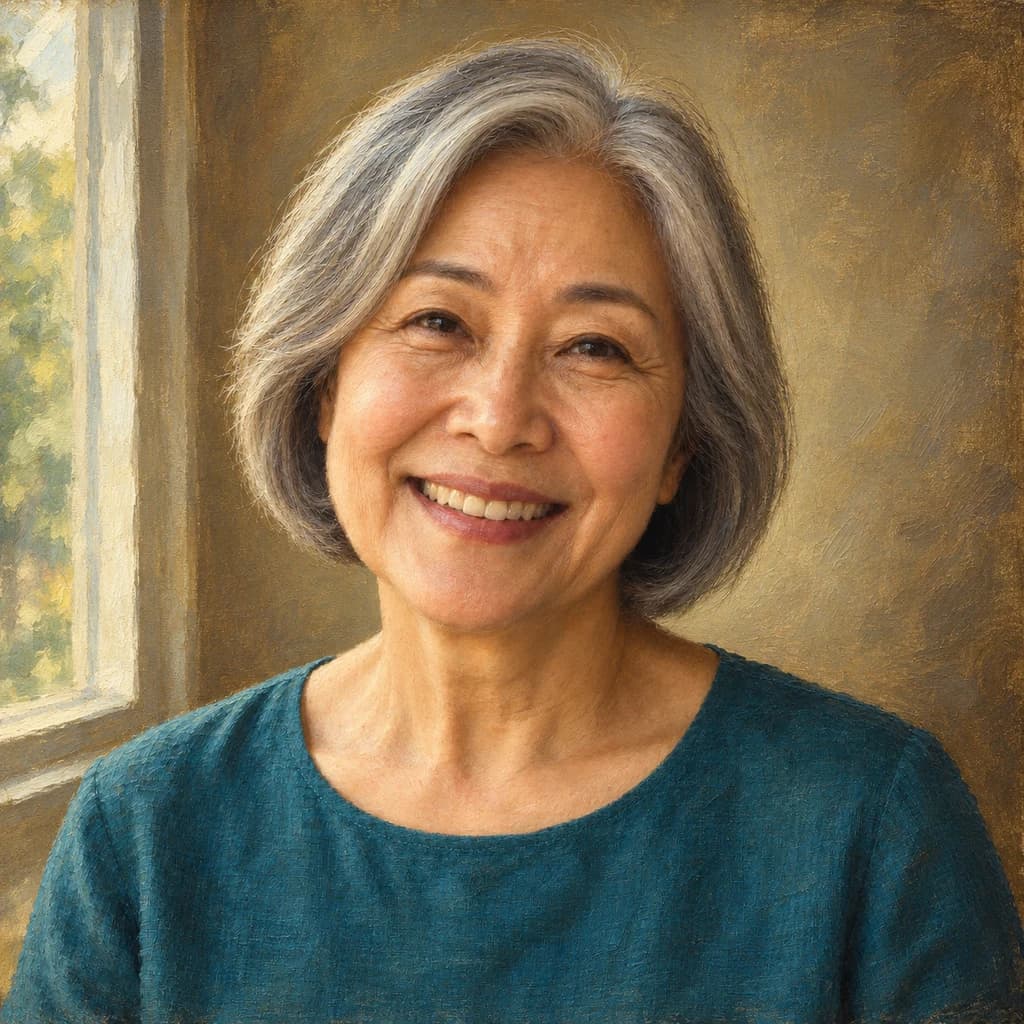 Classical PortraitSeedream 4 · 2K · 1:1
Illustrative style preview · Your result will vary
11 credits / image · From $9.99 a month
/tools/photo-to-classical-painting
Open full studioPhoto to Classical Painting examples
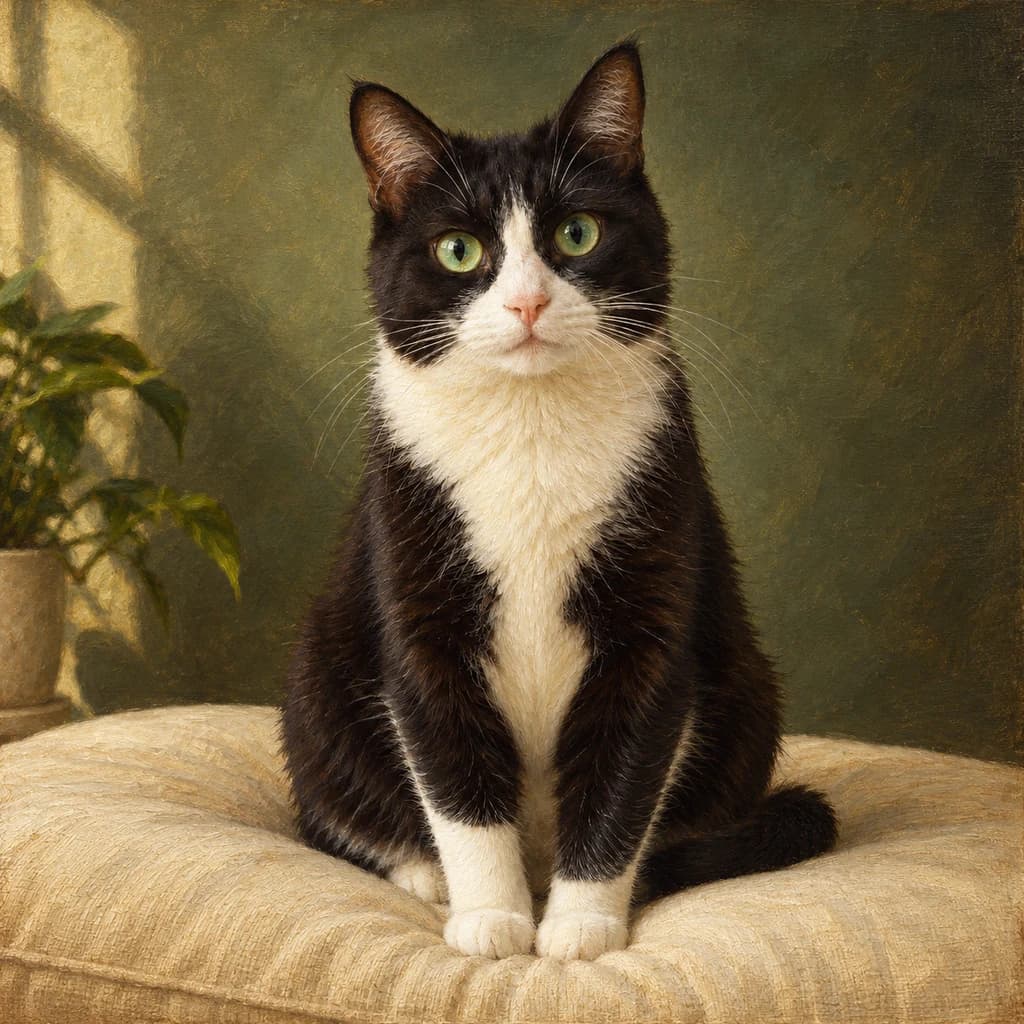
The silver-haired portrait shows the effect best: window light from the left, smooth skin that still keeps her smile lines, and a mottled ochre wall. The couple on the sofa keep their modern clothes but sit in a darker, browner room. The green-eyed tuxedo cat poses upright on a cushion against shadowy olive green, like a noble's pet.
 ORIGINALCLASSICAL PORTRAIT
Silver-haired portrait01 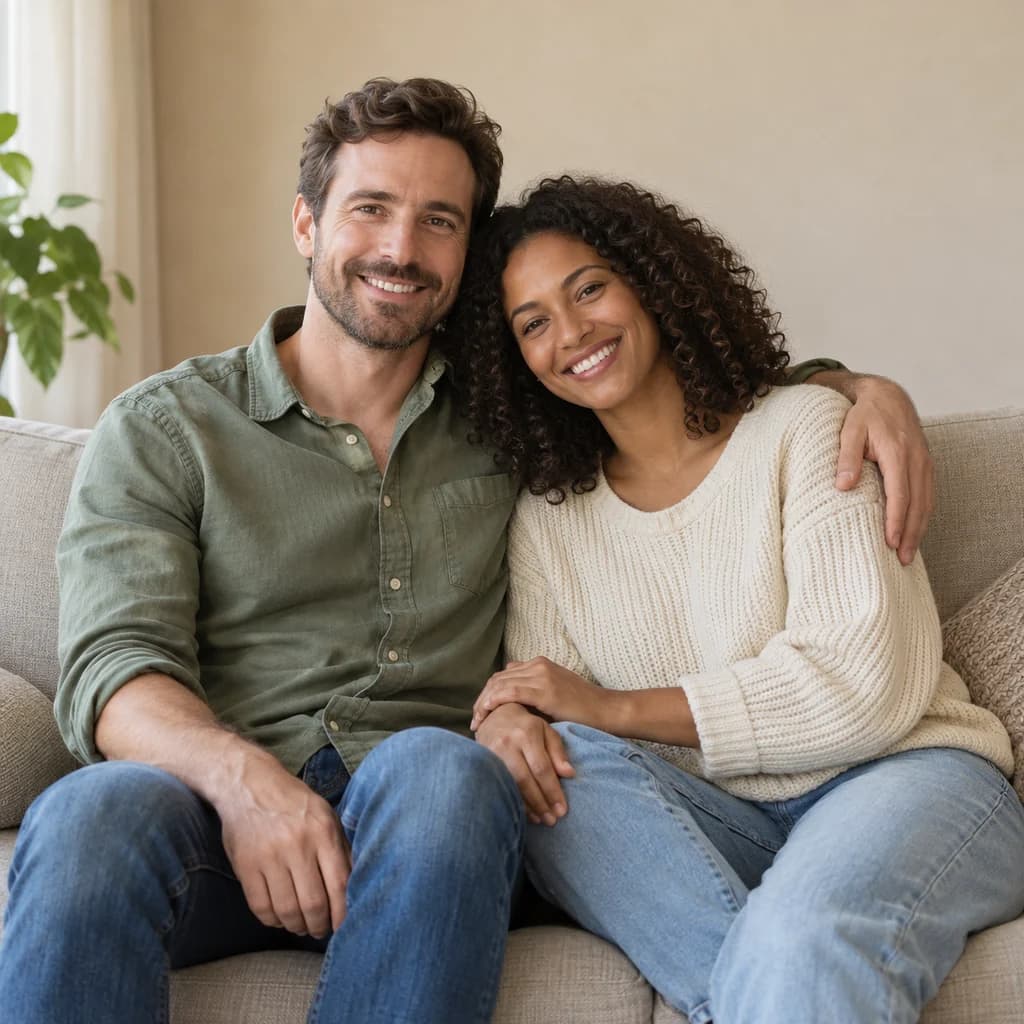 ORIGINAL
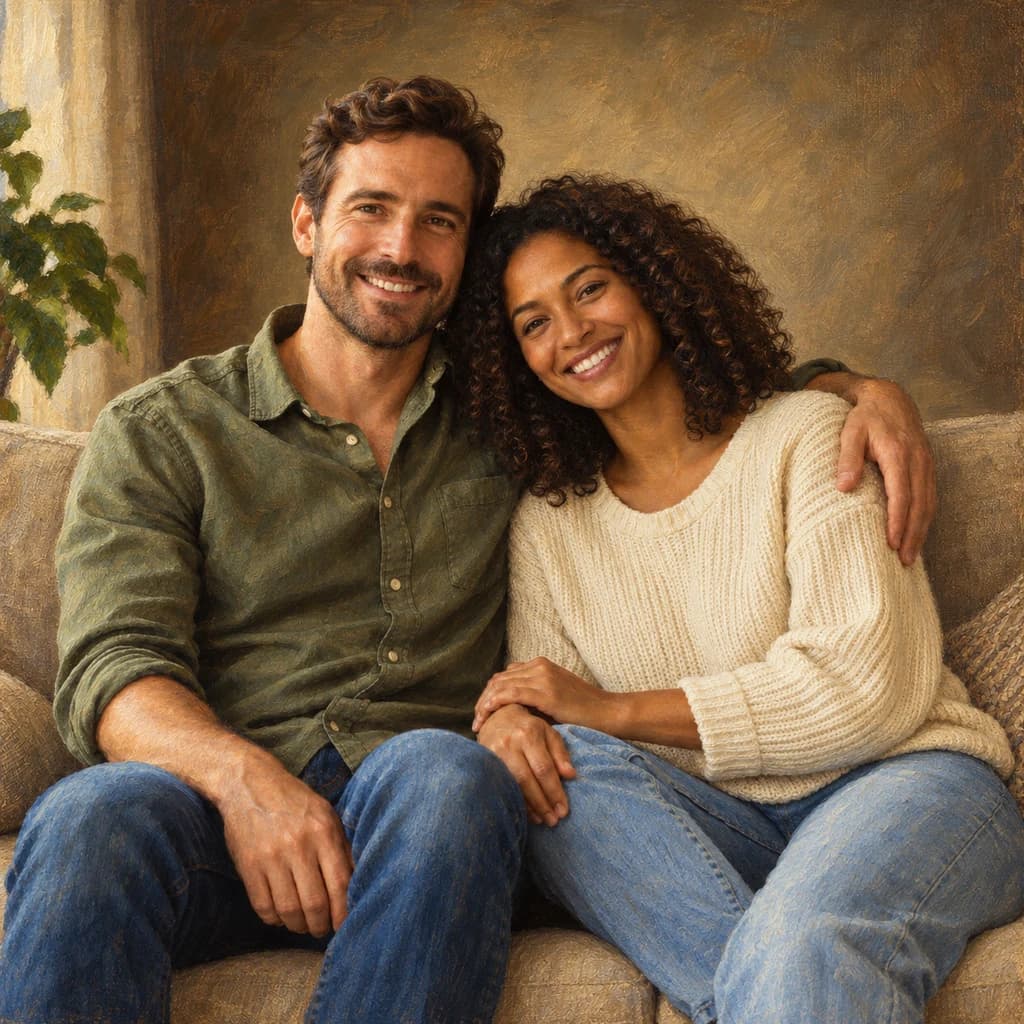 CLASSICAL PORTRAIT
Couple on the sofa02 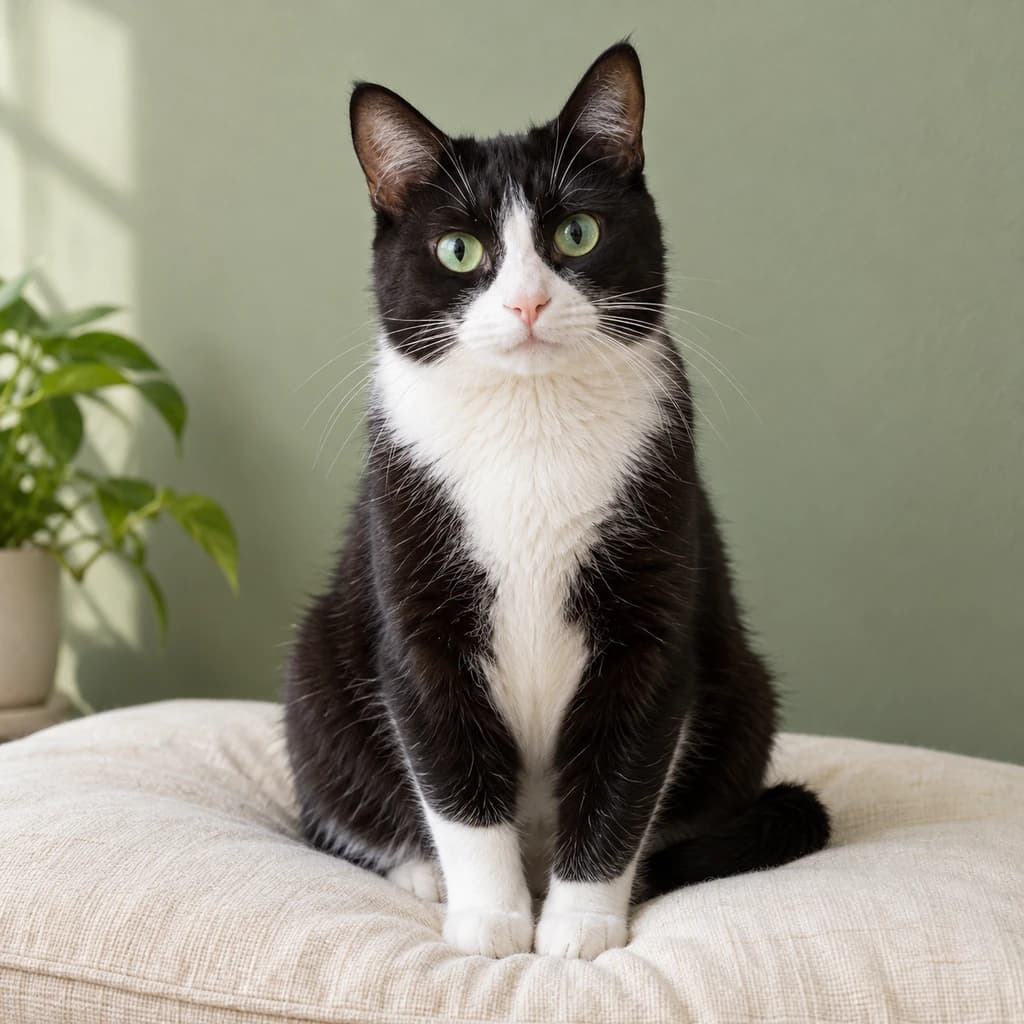 ORIGINAL
 CLASSICAL PORTRAIT
Green-eyed tuxedo cat03
Illustrative style preview · Your result will vary
What is classical painting style?
Classical portrait painting is the formal, finely blended style of the European old masters. Renaissance painters like Leonardo da Vinci and Raphael, and later Rembrandt in the 1600s, built faces from soft, smoky layers of oil, often lit from one side against a dark background. Old varnish yellows with age, which is part of why these portraits look so warm and golden today.
This style keeps your face, clothing and pose, then changes the light and finish around them. Skin becomes smooth and finely detailed, brushstrokes nearly disappear, and backgrounds drop to ochre, olive or brown with a hint of canvas grain. It suits calm portraits, couples and pets posed with dignity, and it is often used half seriously for gifts.
How to turn a photo into a classical painting
Three steps from a calm portrait to an old-master painting.
Couple on the sofa STEP 01
Upload a photo
Use a sample photo, or upload your own JPG, PNG or WebP up to 10 MB. Sit near a window so light falls across one side of the face; a quiet expression and a plain background suit the formal look.
- OriginalClassical Portrait
STEP 02
Repaint it like an old master
The generator blends skin into soft, smooth tones, deepens the shadows and bathes everything in warm golden light. Backgrounds darken or turn into glowing painted skies, and colors settle into old-canvas browns and golds.
STEP 03
Generate and download
Sign in and generate; the price starts at 8 credits and depends on the model you choose. Download the portrait as a PNG, and find it again any time in your history, where it is saved.
Ways to use it
Convert your photo to classical painting art for gifts that are serious, funny or both.
- Regal pet portraitsYour dog or cat, painted with the gravity of a royal portrait. Funny and fond at once.
- Family heirloom portraitsTurn a family photo into a warm, formal painting that looks like it belongs in an old house.
- Wedding and anniversary artA classical portrait of the couple makes a classic print for the home.
- Funny gifts for friendsGive a friend's casual selfie the full museum treatment for a birthday or farewell.
- Library and hallway artDark, golden portraits suit wood paneling, bookshelves and traditional frames.
- Profile picturesA Renaissance-style portrait makes a memorable, slightly theatrical profile photo.
Photo to Classical Painting: what to expect
What an old-master finish does to faces, clothing, backgrounds and pets.
| FEATURE | What you get | Before you start | Limits |
|---|---|---|---|
| Faces | Smooth, finely detailed skin that keeps smile lines and age, lit softly from one side. | A front or three-quarter view with the eyes in focus gives the most formal result. | Strong flash or harsh overhead light makes the side-lit look less convincing. |
| Clothing | Your real outfit stays, painted with a soft sheen; no costumes or ruffs are added. | Plain fabrics look timeless, while printed slogans look odd in old-master light. | Logos and printed text on clothing usually blur or come out garbled. |
| Backgrounds | Rooms darken into ochre, olive or brown, with windows kept as soft sources of light. | A simple room or wall behind you is easiest to turn into a painted backdrop. | Detailed backgrounds lose most of their detail; busy shelves sink into shadow. |
| Pets | Upright, formal pet portraits with clear eyes and detailed fur, like the tuxedo cat sample. | Catch your pet sitting still and looking at the camera, shot from its eye level. | Motion blur or a pet curled up asleep gives a less regal result. |
Tips for better classical painting results
Pose and light your photo like a portrait sitting.
- 01
Light from one side
Put a window to one side of the face. It gives the soft light and deep shadow old-master portraits are known for.
- 02
Strike a calm pose
Old portraits rarely show big grins. A relaxed face with the chin slightly turned feels the most true to the period, though smiles work too.
- 03
Dress the part, a little
Dark or rich-colored clothes blend into the warm colors. A plain T-shirt works, but a jacket, scarf or velvet looks grander.
- 04
Pose pets upright
A dog sitting tall or a cat looking straight at the camera makes the most convincing noble pet portrait.
Photo to Classical Painting FAQ
Answers about old-master light, likeness and framing; questions on accounts, credits and privacy are answered in the main FAQ.
Does it keep my face accurate?
How big can I frame a classical portrait?
Can I paint a couple, kids or a pet this way?
Classical Painting or Oil Painting: which should I pick?
Will it put me in period costume?
Why do pets look so dignified?
Why does it look yellowed or golden?
Which photos look least like an old master?
Why is the background different each time?
Can I sell classical portraits or take commissions?
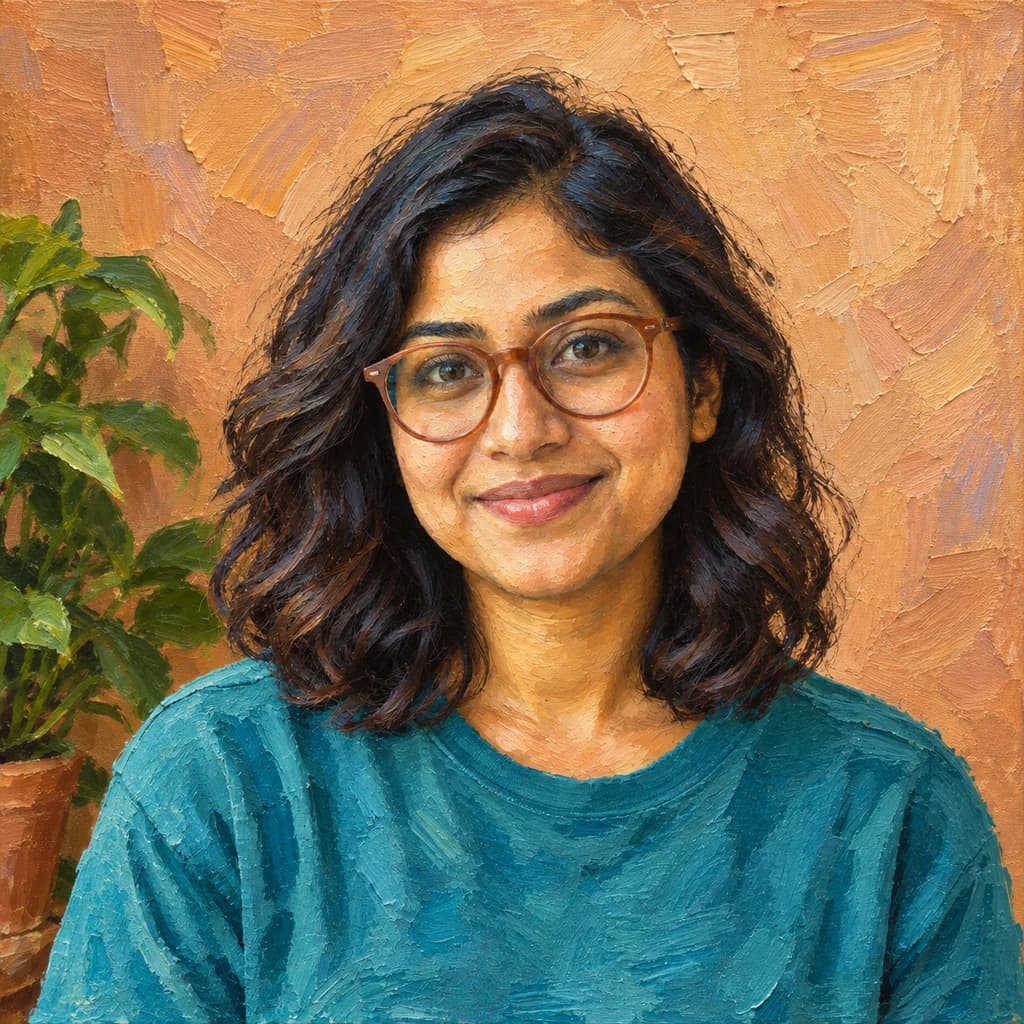
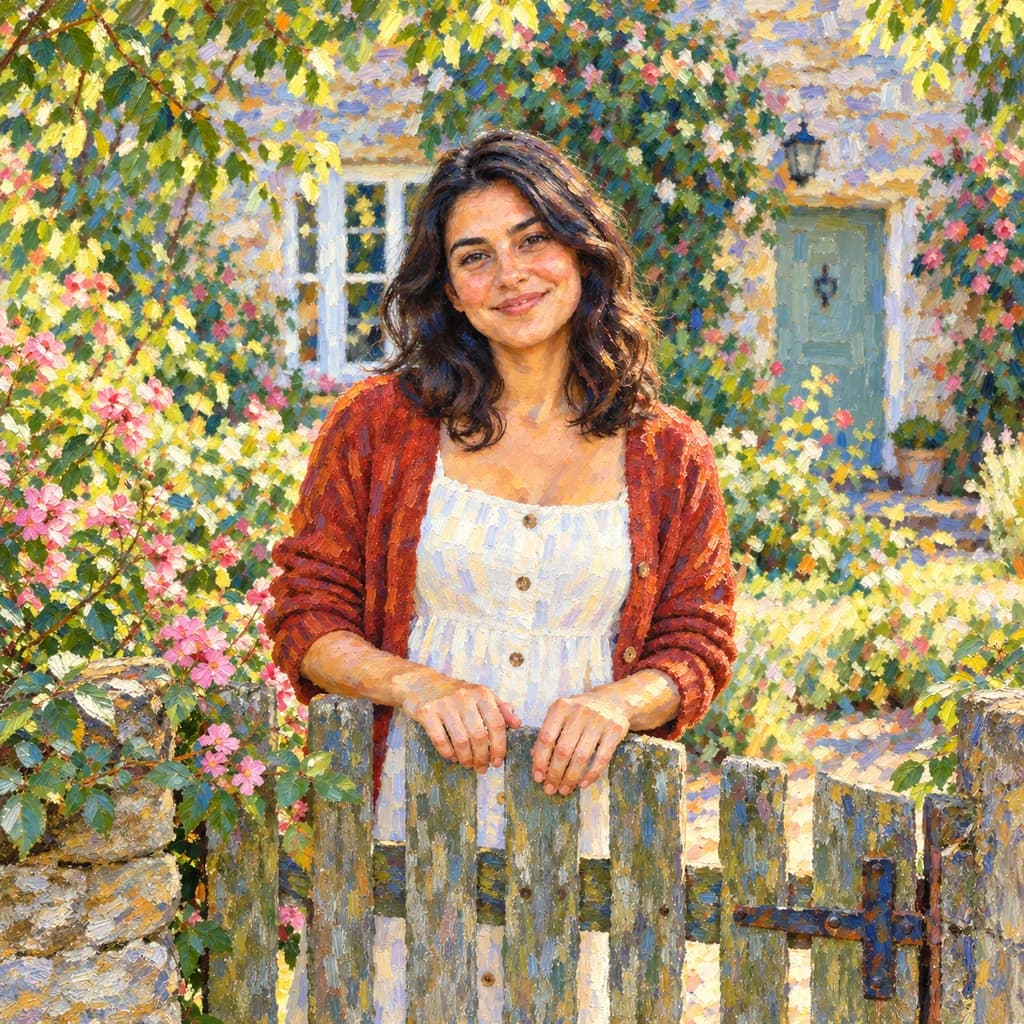
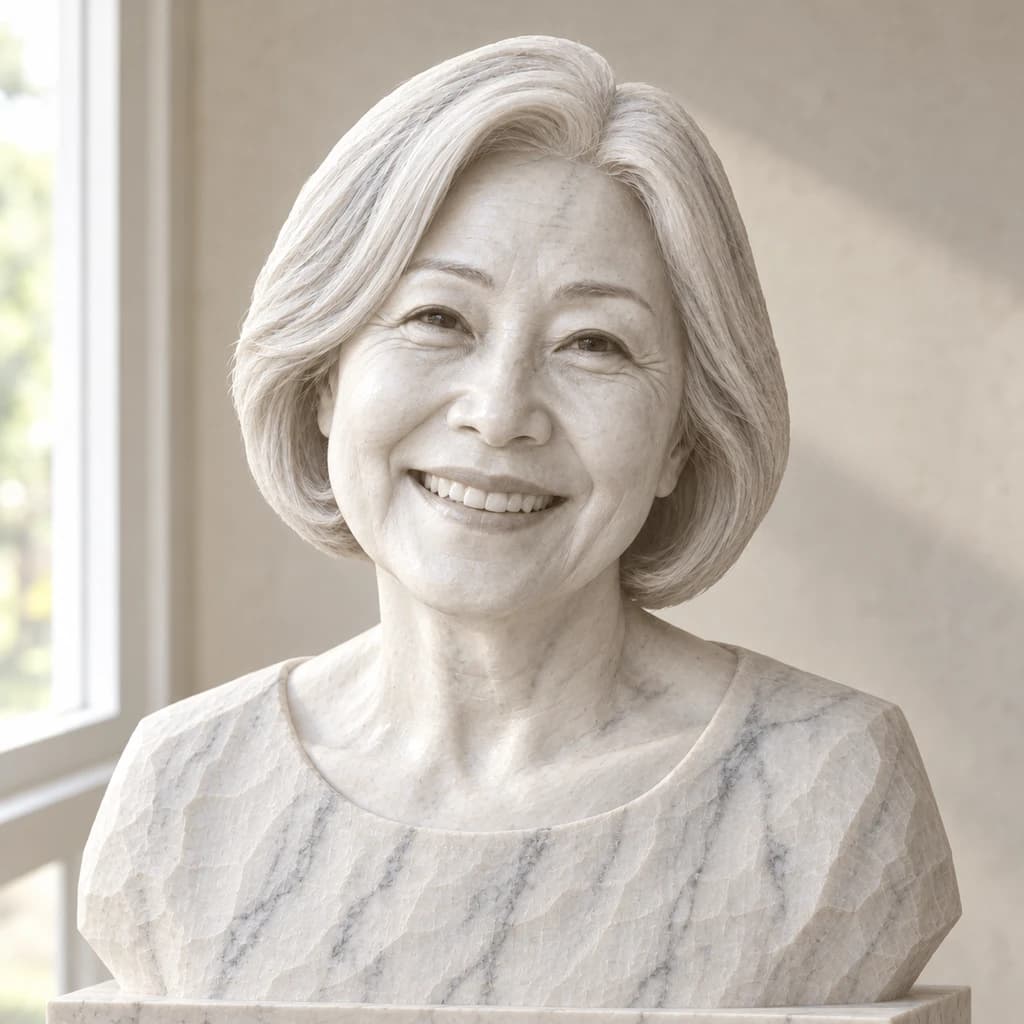
Turn your photo into a classical portrait
Try the old-master finish on a sample portrait first; that part costs nothing. To paint yourself, a partner or a pet, sign in and use credits, with the price shown before each run. The Starter plan is $9.99 a month.