Photo to
Gouache
Photo to gouache repaints a picture in opaque, matte color laid down in flat, crisp shapes, like an illustration from a picture book. Upload a portrait, a pet or a cozy room as a JPG, PNG or WebP. The scene and pose stay; color covers everything evenly, light details like whiskers are painted over darker ones, and shine disappears. Sample photos let you judge the look for free, while your own photo needs an account and credits.
From 8 creditsJPG, PNG or WebP up to 10 MB
- COST
- From 8 credits
- TIME
- Usually under a minute
- UPLOAD
- JPG, PNG, WebP · 10 MB
- OUTPUT
- PNG up to 4096 px
Styles
57 stylesAnime & Cartoon
11Artistic
133D & Avatars
8Fun & Creative
9Retro & Vintage
3Digital & Modern
8Sculptures & Crafts
5Illustrative style preview · Your result will vary
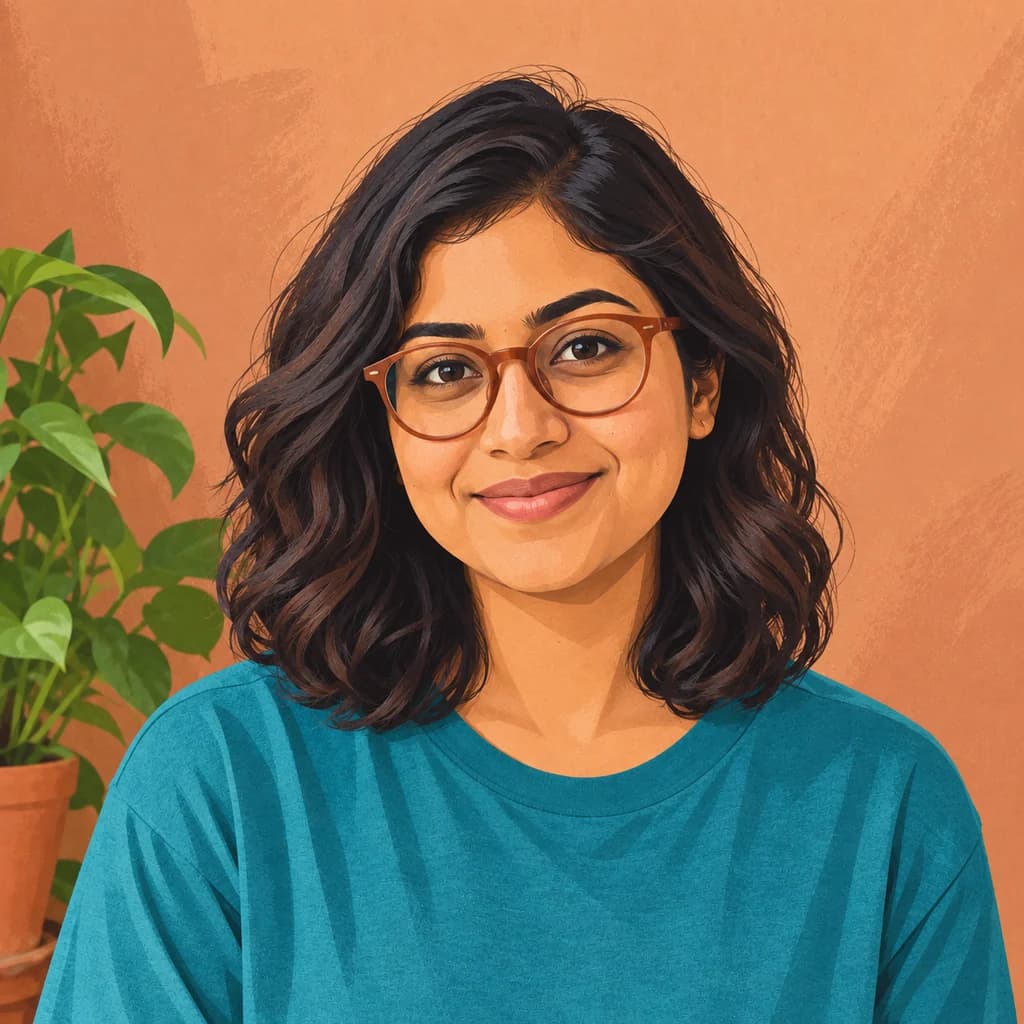
Portrait with terracotta glasses
Sample photo
PRESET · /tools/photo-to-gouache · Seedream 4 · 2K · 1:1
Open full studio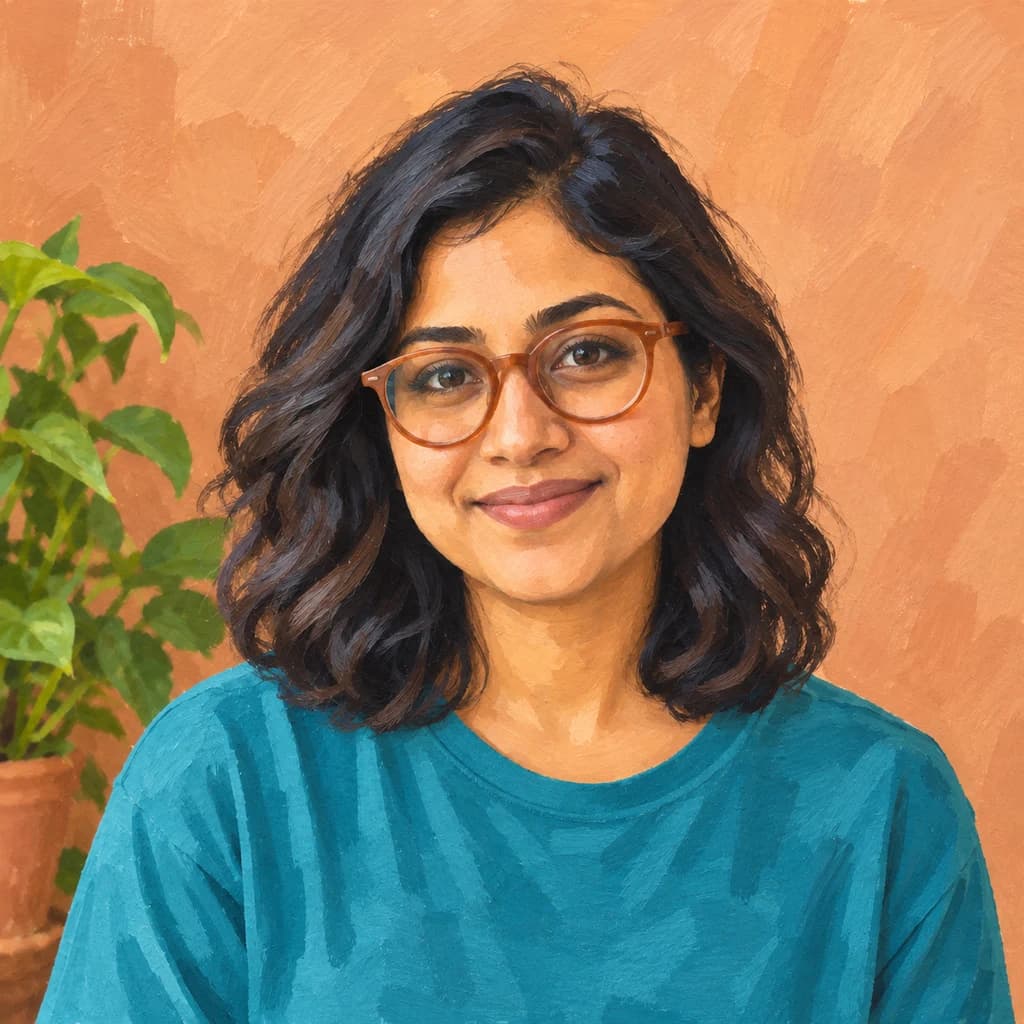 GouacheSeedream 4 · 2K · 1:1
Illustrative style preview · Your result will vary
11 credits / image · From $9.99 a month
/tools/photo-to-gouache
Open full studioPhoto to Gouache examples
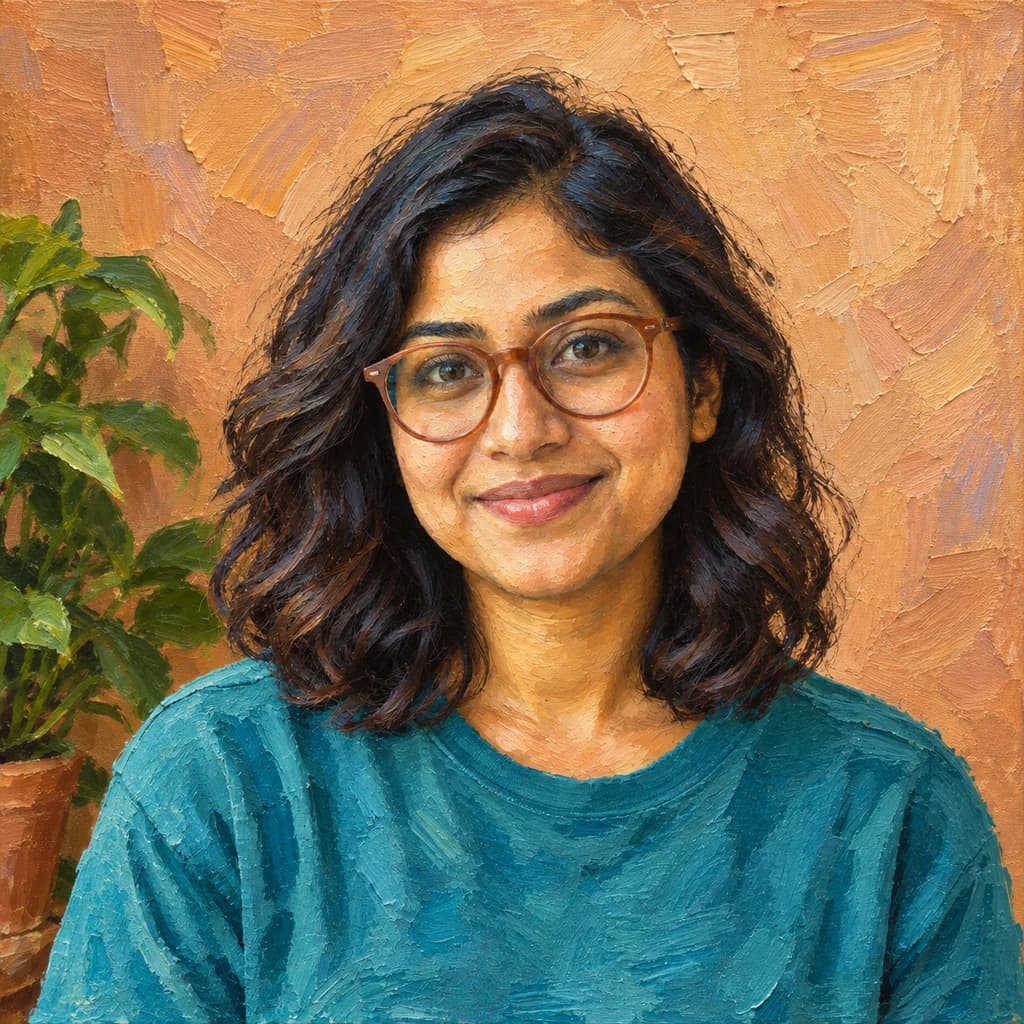
Look at the green-eyed tuxedo cat: white whiskers are painted over black fur, something see-through watercolor can't do. The cat in a cozy room turns the lamp glow, armchair and side table into flat, matte shapes. On the portrait with terracotta glasses, the teal shirt breaks into a few solid patches, and the orange wall stays smooth and chalky.
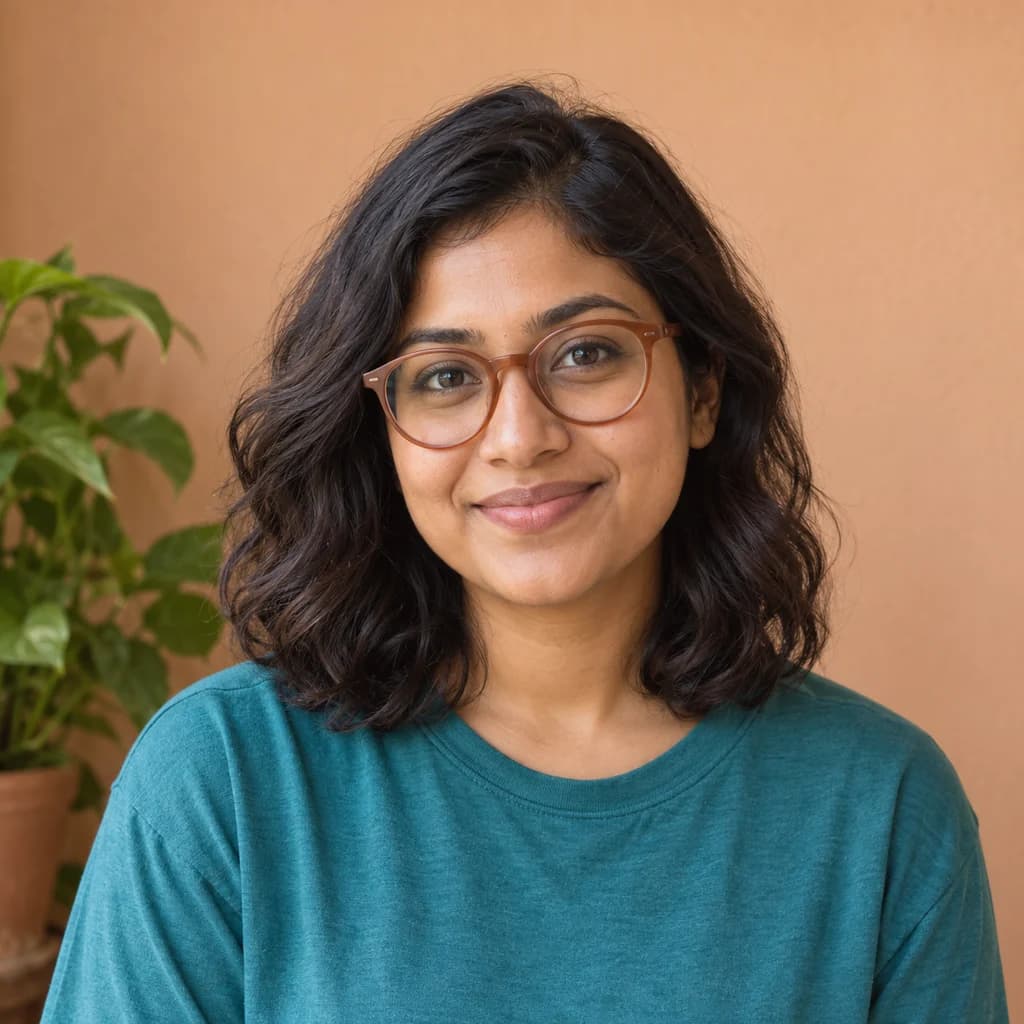 ORIGINALGOUACHE
Portrait with terracotta glasses01 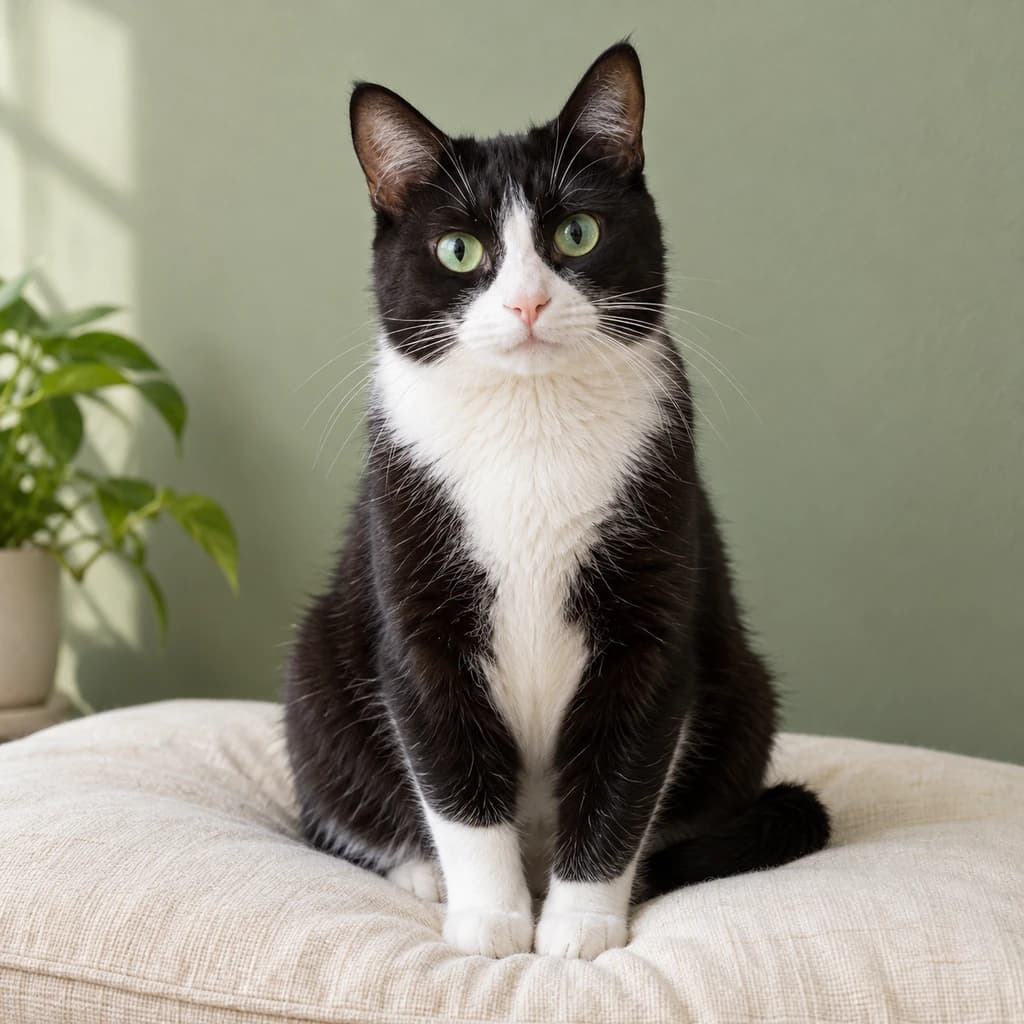 ORIGINAL
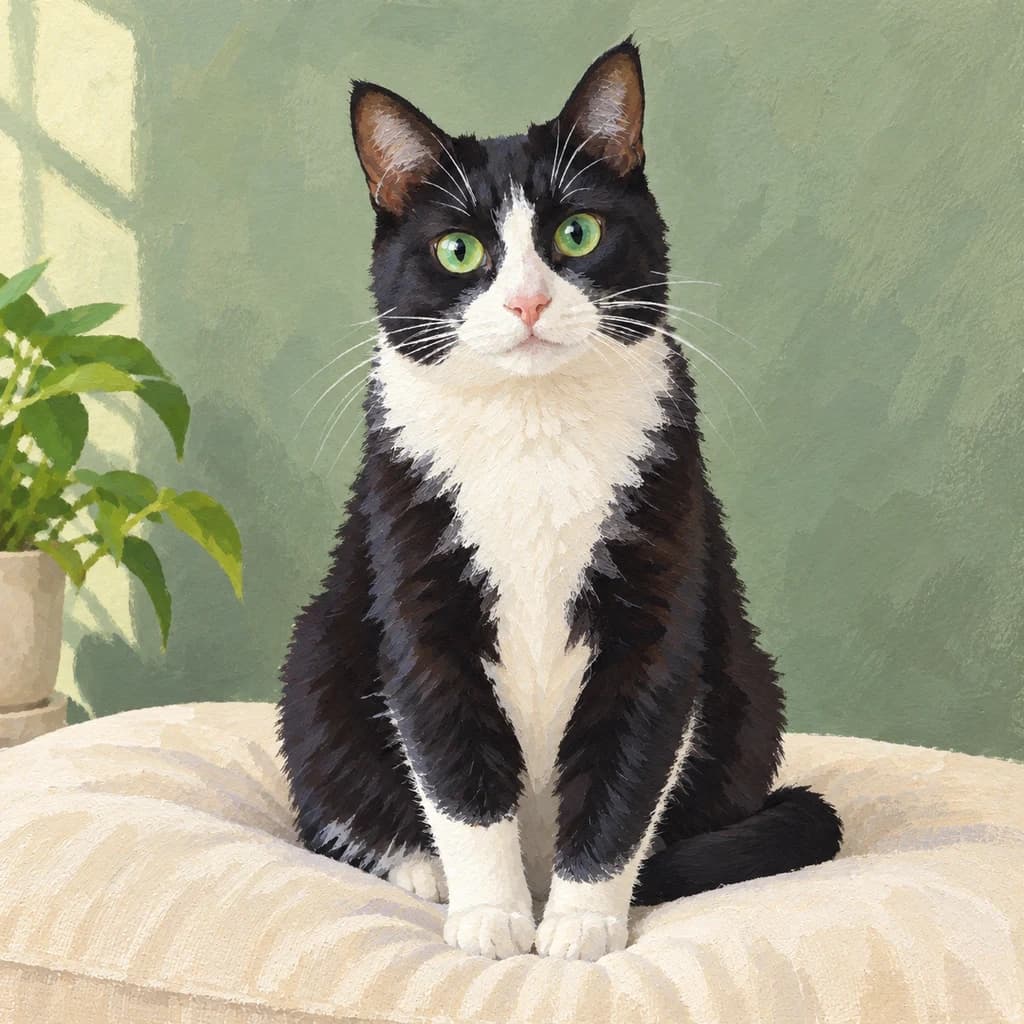 GOUACHE
Green-eyed tuxedo cat02 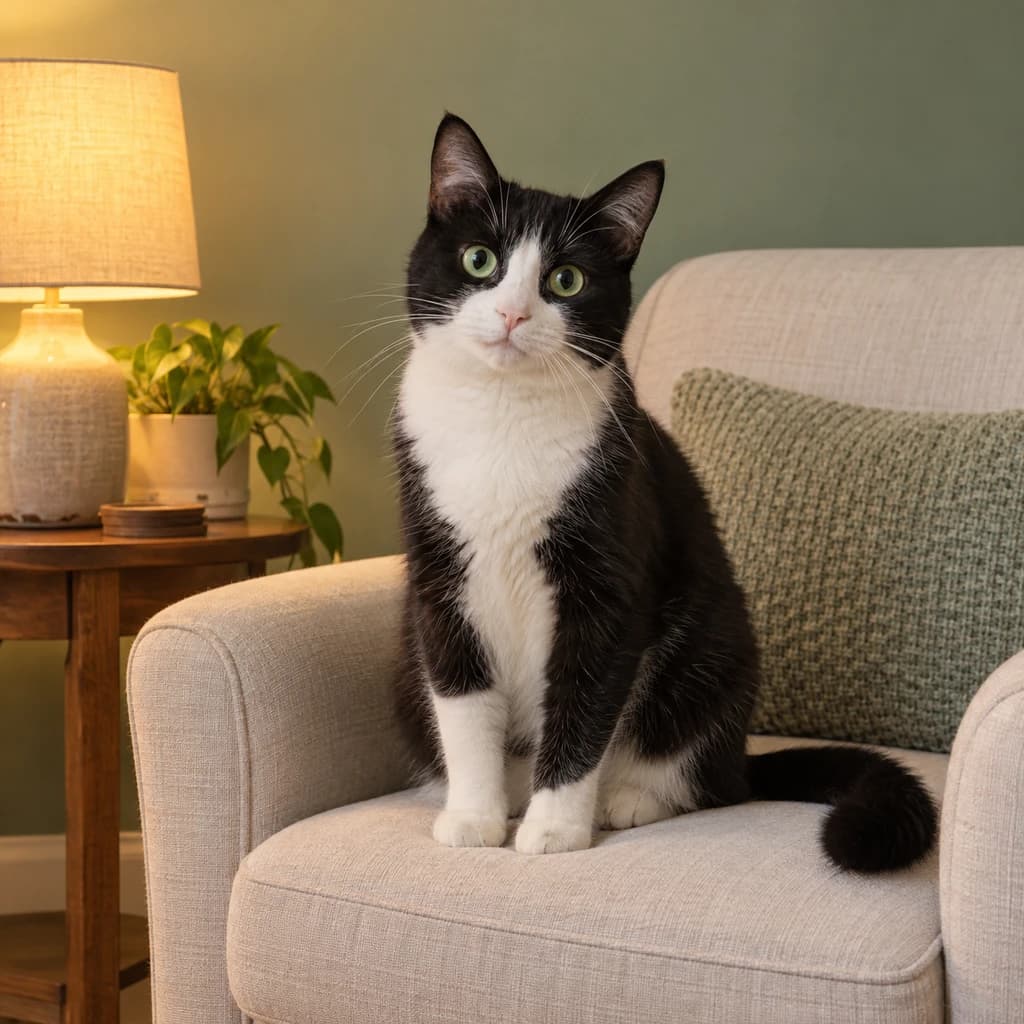 ORIGINAL
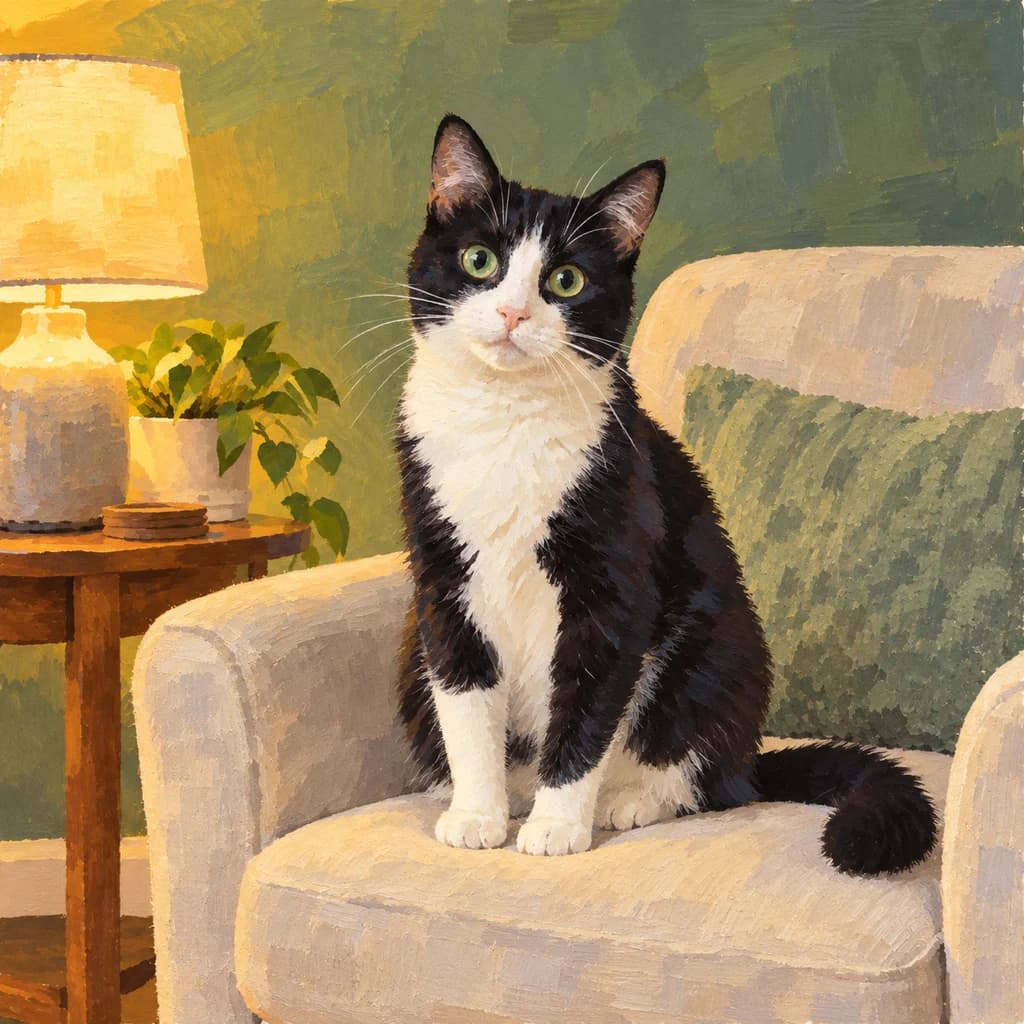 GOUACHE
Cat in a cozy room03
Illustrative style preview · Your result will vary
What is gouache art?
Gouache is an opaque, water-based paint: watercolor's close relative, made with more pigment and often a white filler, so it covers whatever lies beneath and dries matte. Because light colors can sit on top of dark ones, painters use it for clean shapes and crisp highlights. Henri Matisse painted the paper for his late cut-outs in gouache, including the cut-outs reproduced in his book Jazz (1947).
In this style, your photo becomes a set of flat, even areas with soft edges and no gloss. Hair, fur and fabric simplify into a few tones each, and highlights such as whiskers or eye glints are painted on top in solid color. It sits between watercolor and illustration, and it suits pets, cozy interiors and calm portraits.
How to turn a photo into a gouache painting
Three steps from a photo to a matte, flat-color painting.
Green-eyed tuxedo cat STEP 01
Upload a photo
Pick a sample photo, or upload your own JPG, PNG or WebP (10 MB max). Scenes built from a few large, distinct areas, such as an armchair, a lamp and a wall, simplify into the tidiest matte shapes.
- OriginalGouache
STEP 02
Paint it in solid color
The generator repaints your photo in solid patches of color with no shine. Hair, fabric and leaves turn into simple shapes with crisp edges. Highlights look painted on top in solid, pale color.
STEP 03
Generate and download
Sign in, then generate from 8 credits a picture (the model you select sets the price). The gouache painting downloads as a PNG and is stored in your history too.
Ways to use it
Gouache gives photos an illustrated, designed feel.
- Picture-book portraitsMake your family or pet look like characters from an illustrated children's book.
- Travel poster printsTurn a trip photo into a flat-color scene in the spirit of a vintage travel poster.
- Pet illustrationsClean shapes and solid color give pets a crisp, illustrated look for prints or cards.
- Stationery and cardsGouache portraits suit notecards, wedding stationery and holiday cards with a hand-painted feel.
- Modern wall artFlat color with no shine works well for wall prints in simple frames.
- Social and blog imagesAn illustrated version of your photo stands out on social posts, blogs and newsletters.
Photo to Gouache: what to expect
How opaque, matte paint handles fur, faces, rooms and shiny surfaces in your photo.
| FEATURE | What you get | Before you start | Limits |
|---|---|---|---|
| Fur and hair | A few solid tones per area, with light strands like whiskers painted over dark fur. | Pick a photo where the coat or hair is in focus and not lit from behind. | Individual hairs are simplified, and very fluffy coats can look slightly flat. |
| Faces | Features stay clear; skin is painted in two or three even tones without shine. | Soft, even light keeps harsh shadow shapes from cutting across the face. | Subtle skin texture and makeup detail are smoothed out. |
| Rooms and furniture | Chairs, lamps and plants become tidy matte shapes, and lamp glow is painted as flat warm color. | Clear a little clutter first; every object becomes its own patch of color. | Cables, remotes and stacks of books simplify into blobs. |
| Shine and glare | No gloss anywhere; glasses, eyes and lamps get solid, pale highlights instead. | Avoid strong glare on glasses or windows, which turns into a flat white patch. | Metal, glass and wet surfaces lose their sparkle, because gouache dries matte. |
Tips for better gouache results
Clear shapes make the best flat-color paintings.
- 01
Look for clear shapes
Gouache simplifies everything into flat areas. Photos with clear shapes, like a face against a wall or a dog on grass, paint best.
- 02
Use good daylight
Daylight gives clean, separate areas of light and shadow, which turn into crisp patches of color. Dim photos can turn muddy and flat.
- 03
Go for color
A bright jacket, a blue door or a garden full of flowers gives gouache's bold colors something to work with.
- 04
Compare with watercolor
Run the same photo in Watercolor too. Watercolor is lighter and see-through, gouache bolder and flatter. Keep whichever suits the photo.
Photo to Gouache FAQ
Answers about gouache's matte, opaque finish, likeness and prints; the main FAQ covers account, credit and privacy questions.
How close is the likeness in gouache?
What resolution do I get for prints?
Is gouache good for pets, kids or groups?
Gouache or watercolor: what's the real difference?
How is gouache different from acrylic?
Why does it look matte instead of glossy?
Is this the same as a digital illustration?
What photos suit gouache best?
Why are the shapes different each time?
Can I use gouache art for stationery or a shop?
Try these styles next
Same photo, different look.
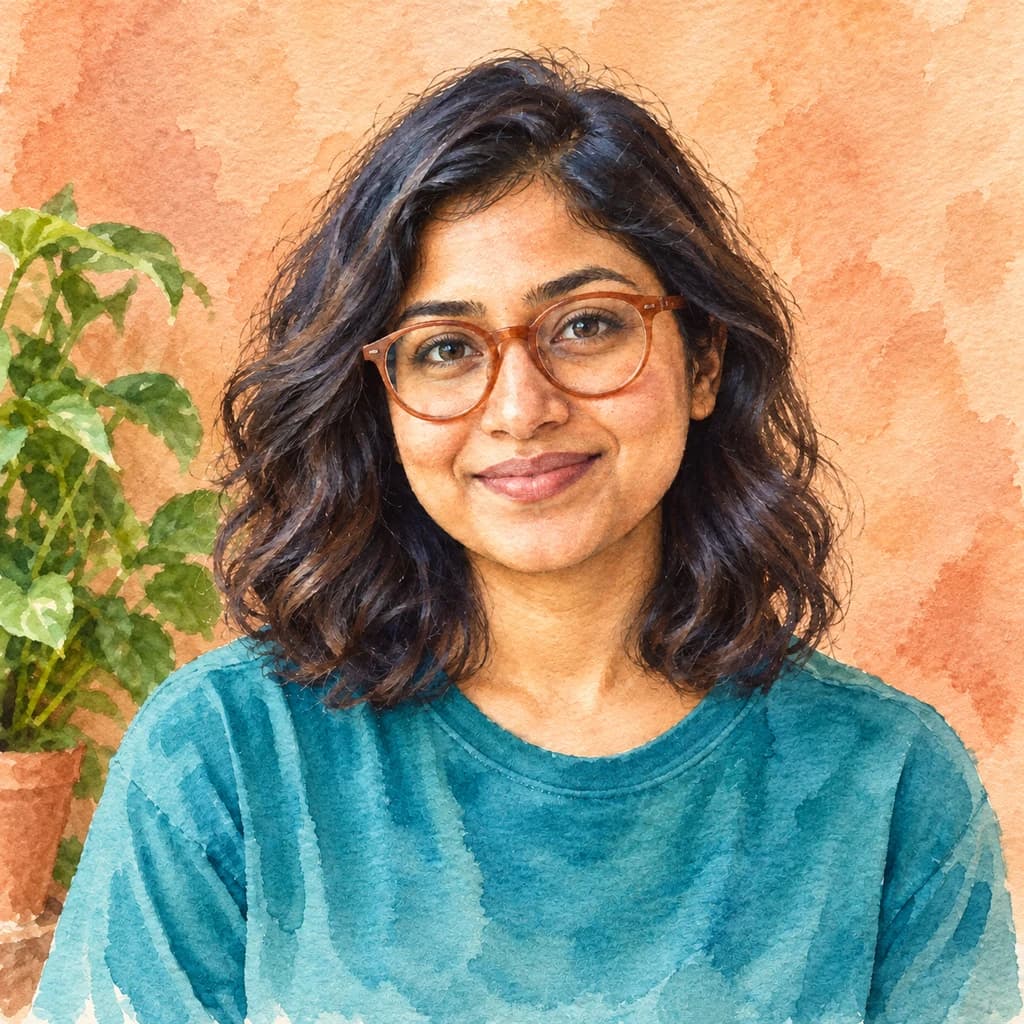
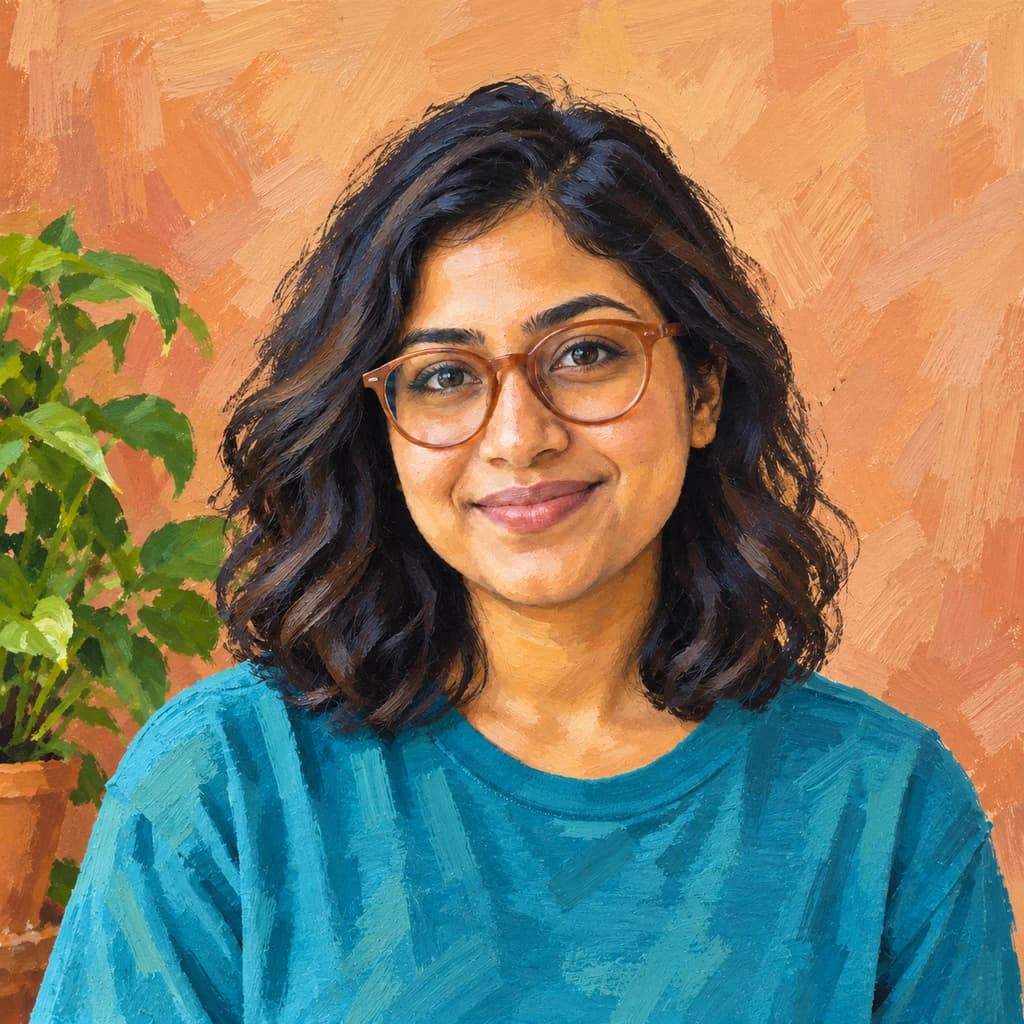
Turn your photo into a gouache painting
See a sample turn into flat, matte paint at no cost. When you want your own cat, portrait or living room painted, sign in and use credits; the studio tells you the price up front. Monthly plans begin at $9.99.